Dental Botox® for TMD Pain Relief
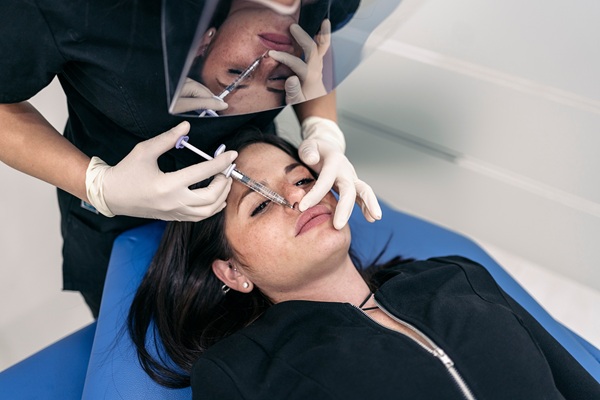
Dental Botox® is an alternative treatment approach for TMJ disorder and related pain and jaw tension. The treatment entails injecting Botox into the facial muscles causing the pain and soreness. The injection can also alleviate headaches caused by teeth grinding and a locked jaw. This article talks about the use of dental Botox® for relieving TMJ pain.
Treating TMJ pain and jaw tension with dental Botox®
The temporomandibular joint (TMJ) is positioned on both sides of the head, where the jawbone connects with the skull. The TMJ enables eating, swallowing, talking, and other routine activities that involve the mouth. If the joint becomes dislocated or stressed due to excessive teeth grinding, the patient may experience severe tension headaches and sharp pains around the jaw. Botox relieves the tension in the jaw by relaxing the muscles, thus preventing powerful, usually unintentional movement of the jaw.
The Botox treatment approach for TMJ pain relief is typically fast, straightforward, and effective. The procedure is non-surgical and minimally invasive. The injection will be administered in the dental office and performed on an outpatient basis. Most patients observe remarkable improvement after about a day or two following treatment, but complete relief may take about a week.
What to expect
The duration of dental Botox treatment depends on the required number of injections. However, the treatment procedure can be finished in about 10 to 30 minutes. Only the muscles that are injected will become relaxed. Botox for TMJ treatment will not affect any other part of the body. The dentist will usually inject the temporalis, masseter, frontalis muscles, with the inclusion of other injection sites depends on the severity of the pain and headaches.
The procedure is mostly painless, and the only discomfort might be from the injection, which is usually minor and brief. Patients sometimes describe the Botox injection pain as a prick or bug bite. The dentist can reduce the pain from the injection by using a local anesthetic or cold pack to numb the area. Patients who are scared of the needle need to inform the dentist.
After the treatment, the muscle pain and tenderness should start to diminish almost immediately. Since the treatment is non-invasive and non-surgical, patients can quickly return to their routine soon enough. However, patients need to avoid rubbing or massaging the injection site to prevent the Botox from spreading to other muscles. They also need to reduce physical activity for a while.
Aftercare and risks
The results of Botox treatment can last up to five months, so it is advisable to undergo regular treatment to prevent the pain from returning. Due to the non-invasive nature of the treatment, the risks are minimal. However, some patients may react harshly to the injections and experience symptoms such as headaches, nausea, and muscle weakness, but these usually stop within one week after treatment.
Do you suffer from TMJ disorder?
When patients opt for dental Botox®, the dentist will examine their condition to know whether they are eligible for the procedure. The use of Botox® for TMD pain relief has been shown to be effective. To learn more about the procedure, book an appointment today to get started.
Request an appointment here: https://www.blissdentalsf.com or call Bliss Dental SF at (415) 200-1283 for an appointment in our San Francisco office.
Check out what others are saying about our dental services on Yelp: Botox in San Francisco, CA.
Related Posts
Choosing between dental bonding and porcelain veneers becomes easier when a cosmetic dentist outlines the benefits, limitations, and long-term value of each option. Many adults today seek smile enhancements that are both natural-looking and durable, but understanding which treatment best fits specific goals can feel overwhelming without professional input. A cosmetic dentist considers factors such…
Dental implants are among the cosmetic dental services that might be recommended if you are missing one or more teeth. They are also the only teeth replacement options that prevent the bone tissue loss that can take place when teeth and their roots fall out.Bone tissues in the jaw get stimulated by teeth roots when…
Your insurance provider might cover cosmetic dental services depending on if they are deemed elective or essential. Most dental insurance providers cover essential treatments that help restore or keep your mouth healthy, but you are typically on your own when it comes to elective treatments that your insurance provider does not deem necessary. Fortunately, many…
If you suffer from uneven teeth, cosmetic dental services can help straighten your bite and improve your confidence in your smile. Straight teeth improve more than just appearance; they can also improve overall dental health as pieces of food get stuck more easily between crooked teeth. In addition, straight teeth are easier to clean with…